


Key Takeaways
- The FAST scale describes how Alzheimer’s disease affects daily abilities across seven stages.
- Early changes may involve forgetfulness and trouble with familiar tasks, while later stages often require more personal care.
- Alzheimer’s progresses differently for everyone, so the FAST scale can’t predict exactly when someone’s needs will change.
- Families can use the scale to recognize changes and talk with healthcare professionals about care needs.
- Memory care can help families whose loved ones need more daily support than they can comfortably provide at home.
How the FAST Scale Helps Your Family
Maybe your mom has started forgetting appointments, or your dad needs more help getting through his morning routine. These changes can happen gradually, and it’s not always clear what they mean. You may find yourself taking on more responsibilities without knowing what to expect next.
The FAST scale for dementia describes seven stages of changes in everyday abilities associated with Alzheimer’s disease. It looks at what your loved one can manage independently and where they may need help. Knowing the stages can help your family recognize changes, discuss care needs with a doctor, and decide when additional support may be helpful.
What Is the FAST Scale for Dementia?
The Functional Assessment Staging (FAST) scale helps doctors and families track how Alzheimer’s disease affects everyday activities. Instead of looking only at memory problems, it considers changes in someone’s ability to manage tasks such as paying bills, getting dressed, and bathing.
The scale has seven stages, beginning with normal daily abilities and ending with advanced care needs. It’s worth noting, though, that the FAST scale was developed for Alzheimer’s disease, so it doesn’t describe every type of dementia equally well. It also isn’t a diagnosis or a way to predict exactly how quickly someone’s condition will change. Instead, it’s just a way to gain a better understanding of what your loved one is experiencing and how you can help.
The 7 Stages of the FAST Scale
Each stage describes changes in how someone handles familiar activities. Early changes may be small enough to go unnoticed, while later stages often involve more help with dressing, bathing, and other daily needs.
Stage 1: Normal Function
In Stage 1, someone shows no noticeable changes in their thinking or everyday abilities. They can manage familiar responsibilities without the difficulties associated with Alzheimer’s disease.
Typical characteristics include:
- No noticeable memory problems
- No difficulty completing familiar tasks
- No apparent problems with communication
Stage 2: Mild Memory Changes
Stage 2 involves small memory lapses that may seem like ordinary forgetfulness. Your loved one can still manage daily activities without needing extra assistance.
Common changes may include:
- Misplacing keys or other belongings
- Forgetting the names of acquaintances
- Having trouble recalling familiar words
Stage 3: Early Functional Changes
During Stage 3, everyday responsibilities that require planning or concentration may become more difficult. You might notice your loved one struggling with activities they previously handled without much thought.
Common changes include:
- Having trouble keeping track of appointments
- Struggling to plan or organize activities
- Finding it difficult to learn unfamiliar tasks
- Getting confused in unfamiliar places
Stage 4: Difficulty With Complex Tasks
By Stage 4, your loved one may need help with responsibilities that involve several steps or careful planning. They can often still handle basic personal care, but household tasks may take more time or cause confusion.
Common changes include:
- Having trouble paying bills
- Making mistakes when managing money
- Struggling to plan and prepare complex meals
- Finding it harder to organize family gatherings
Stage 5: Help With Everyday Choices
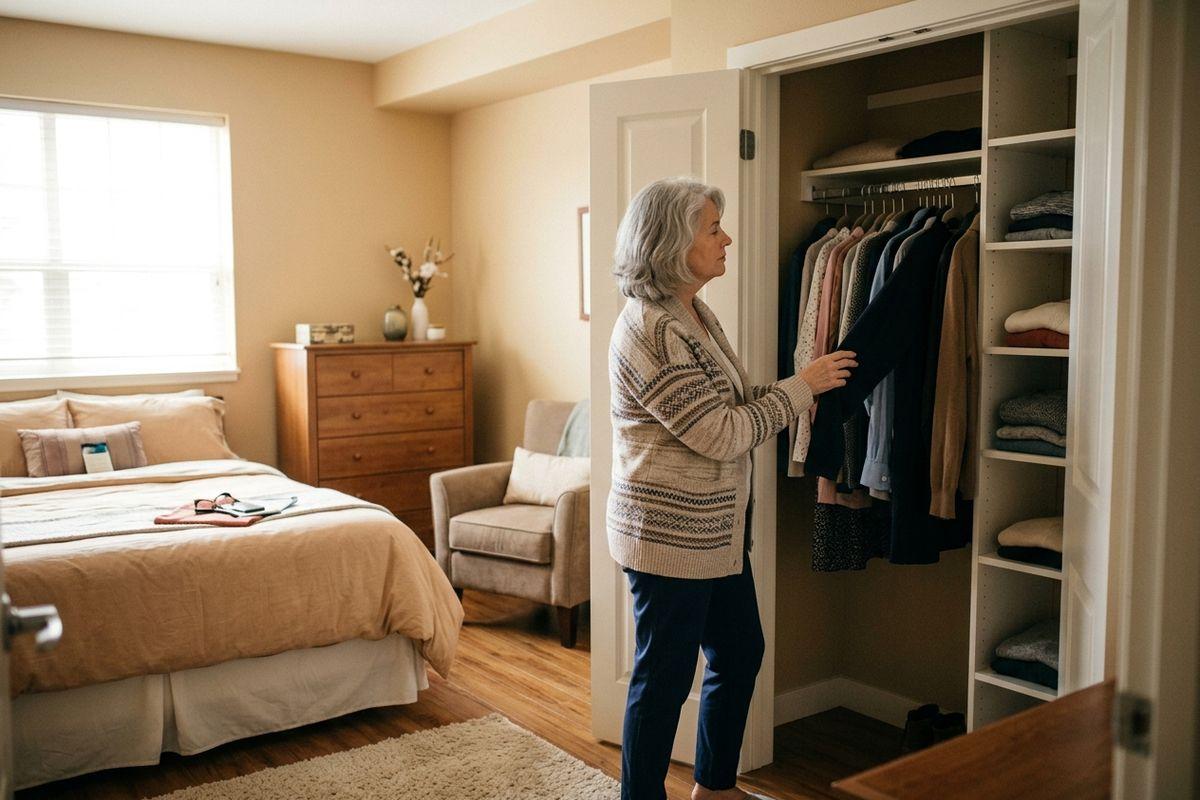
Stage 5 brings more noticeable changes, particularly when someone needs to make everyday decisions. Your loved one may still dress and bathe independently but need reminders or help choosing suitable clothing.
Common changes include:
- Choosing clothes that don’t match the weather
- Forgetting their current address
- Having trouble remembering their phone number
- Needing help selecting appropriate clothing
Stage 6: Help With Personal Care
During Stage 6, your loved one may need hands-on help with parts of their daily routine. Changes in their abilities can also make it harder to manage personal care without someone nearby.
Common changes include:
- Needing help getting dressed correctly
- Having trouble bathing independently
- Requiring assistance with using the bathroom
- Experiencing bladder or bowel incontinence
Stage 7: Advanced Daily Care Needs
Stage 7 involves major changes in communication and movement, and your loved one may need extensive assistance throughout the day. At this point, families often work closely with healthcare professionals to find memory care that meets their loved one’s physical and personal needs.
Common changes include:
- Speaking only a few words or losing speech
- Losing the ability to walk independently
- Having trouble sitting without support
- Losing the ability to hold up their head independently
How Memory Care Can Help Your Family
As Alzheimer’s progresses, caring for your loved one at home may take more time and attention than your family can manage alone. You might worry about leaving them unsupervised, struggle to keep up with their personal care, or find that their needs have grown beyond your current routine. That’s where memory care is an excellent choice as a way to help your loved one.
Communities like ours offer:
- Help with bathing, dressing, and other personal routines
- Regular meals and assistance with dining
- Familiar schedules that bring consistency to the day
- Activities suited to residents’ interests and abilities
- Team members who can help with everyday needs
Learning about available communities gives your family time to ask questions, review services, and decide what kind of support would be appropriate.
Supporting Your Loved One at Somerby Mount Pleasant
The FAST scale for dementia gives families a clearer picture of how Alzheimer’s can affect everyday life. Knowing what to watch for helps you recognize changes, talk with your loved one’s doctor, and plan for the support they may need. If caring for your loved one at home has become harder to manage, memory care is an option worth exploring.
At Somerby Mount Pleasant, we offer memory care for people living with dementia. Our team helps residents with daily activities and personal routines while respecting the preferences and habits that are familiar to them. Families looking for memory care near Charleston can visit our community, meet our team, and learn about the support we provide. Schedule a tour today to learn more about our memory care community.