


Key Takeaways
- Most memory care communities recommend waiting 1–2 weeks before your first visit to allow adjustment time.
- Your loved one’s stage of memory loss and individual personality affect how long they need to settle in.
- Staff will communicate when your loved one shows signs of comfort in their new environment.
- Starting with short, 30–45 minute visits helps gauge how well your loved one responds.
- Some visits may feel challenging initially, and that’s a normal part of the adjustment process.
The Right Time to Visit Your Loved One in Memory Care
Moving your loved one into Somerby Mount Pleasant brings a mix of emotions, and knowing when to schedule that first visit can feel overwhelming. You want to provide comfort and support, but you also recognize they need time to adjust to their new surroundings.
Most memory care communities recommend waiting 1–2 weeks before your first visit, though the exact timing depends on your loved one’s individual adjustment process and the guidance from their care team. This waiting period allows your family member to begin forming new routines and developing familiarity with their environment and care staff.
What Happens During the Initial Adjustment Period?
When your loved one first arrives at memory care, they experience a significant change in their daily environment. The community focuses on helping them develop new routines around meals, activities, and rest periods. Staff members work to build trust and familiarity through consistent interactions and gentle guidance.
This transition process looks different for everyone. Some residents adapt quickly to their new surroundings within a few days, while others need several weeks to feel comfortable. Factors like personality, previous living situation, and current stage of memory loss all influence how someone responds to this change.
Memory care communities use structured approaches to help new residents settle in. They maintain consistent daily schedules, introduce activities gradually, and assign specific team members to work closely with your loved one during their first weeks. Learning about dementia stages can help you better prepare for what to expect during this adjustment period.
Factors That Influence the Right Timing for Your First Visit
Your Loved One’s Stage of Memory Loss
Someone in early stages of memory loss might need more time to process the change in their living situation. They may feel more aware of the transition and require additional time to accept their new environment before visits feel comfortable.
Those in later stages often focus more on immediate surroundings and familiar faces. They might adjust to the physical space more quickly, though they may still need time to develop comfort with their daily care staff before adding the stimulation of family visits.
The Community’s Guidance and Recommendations
Memory care teams observe your loved one throughout their first weeks, noting how they respond to daily activities, interact with staff, and handle changes in routine. They watch for signs of increasing comfort, like participating in meals, engaging with activities, or showing recognition of their care staff.
The team will communicate with you about your family member’s adjustment progress. They’ll share observations about your loved one’s mood, sleep patterns, and overall comfort level to help determine the right timing for your first visit. Professional guidance on dementia behaviors can provide valuable insights during this period.
Your Relationship and Past Visit Patterns
Your previous interactions with your loved one influence how visits might affect their adjustment period. If you visited daily when they lived at home, they might benefit from a slightly longer adjustment period to develop independence in their new routine.
Consider how your loved one typically responded to changes in the past. Some people find comfort in familiar faces during transitions, while others need space to process new situations before reconnecting with family members.
Signs Your Loved One Is Ready for Visits
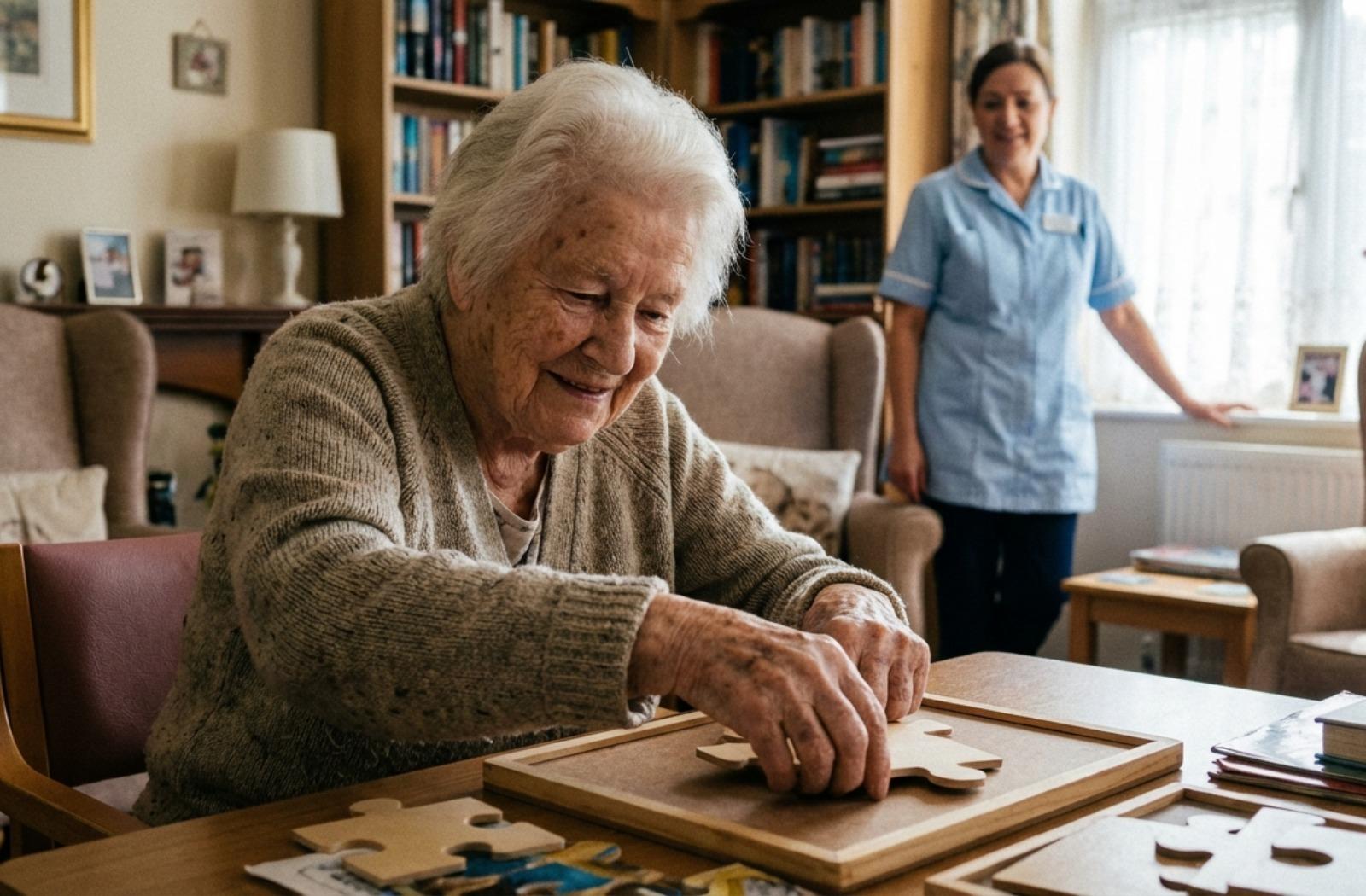
Staff members watch for behavioral indicators that show your family member is developing comfort with their new environment. These might include participating in community meals, engaging with activities, or showing signs of routine establishment like consistent sleep patterns.
Physical cues include relaxed body language during daily activities, willingness to move around their living space, and positive responses to care staff interactions. Emotional indicators might include moments of contentment, reduced anxiety about their surroundings, or expressions of interest in community activities.
The memory care team will reach out to discuss these observations with you. They’ll share specific examples of your loved one’s comfort level and provide recommendations about visit timing based on their professional assessment.
How to Plan Your First Visit
Start Small and Build Gradually
Plan your first visit to last 30–45 minutes. This timeframe allows meaningful connection without overwhelming your loved one or disrupting their new routine. You can gauge their response and energy level during this shorter visit.
Watch for signs of fatigue, agitation, or confusion during your visit. These indicators help you understand how long visits feel comfortable for your family member and guide future visit planning.
Choose the Right Time and Setting
Ask the memory care team about your loved one’s most alert and comfortable times of day. Many people with memory loss have clearer moments in mid-morning or early afternoon, making these ideal times for visits.
Plan to visit in common areas or your loved one’s room, depending on what feels most comfortable for them. The staff can recommend locations within the community where your family member seems most relaxed and engaged.
Prepare Yourself for Changes
Your loved one might seem different than when you last saw them at home. Changes in environment, routine, and care structure can affect their mood, energy, and responses to familiar people.
Focus on connection through simple conversations, familiar photos, or activities they’ve always enjoyed. Avoid correcting confusion or trying to orient them to information that might cause distress.
Building a Sustainable Visit Schedule at Somerby Mount Pleasant
Once your loved one adjusts to regular visits, you can develop a schedule that supports both of your needs. Regular visits provide continuity and connection, while giving you opportunities to see how they’re adapting to their new community.
Memory care communities often provide updates between visits through phone calls or written communication. This helps you stay connected to your family member’s daily experiences and any changes in their care needs.
At Somerby Mount Pleasant, our memory care team works closely with families to support meaningful connections throughout the adjustment period and beyond. We understand that every family’s situation is unique, and we’re here to help you navigate this transition with compassion and practical guidance. Contact us to learn more about how our memory care approach can support your family during this important time.