


Key Takeaways
- Parkinson’s can cause hand tremors, stiffness, and reduced dexterity that affect daily activities.
- Simple finger stretches, thumb exercises, and grip movements can help maintain hand function.
- Regular practice with everyday items like stress balls and playing cards makes exercises more engaging.
- Senior living communities offer wellness programs and support when daily tasks become challenging.
Managing Hand Symptoms with Simple Exercises
When you’re living with Parkinson’s, you might notice changes in how your hands move and feel. Tremors, stiffness, and slower movements can make everyday tasks like buttoning shirts, writing, or using utensils more difficult than they used to be.
Hand exercises can help you maintain flexibility, strength, and coordination in your fingers and hands. While these movements won’t stop the progression of Parkinson’s, they can support your current abilities and help you feel more confident with daily activities. At Somerby Mount Pleasant, residents in assisted living and memory care have access to wellness programs that support active lifestyles through various therapeutic activities.
How Parkinson’s Affects Your Hands and Daily Activities
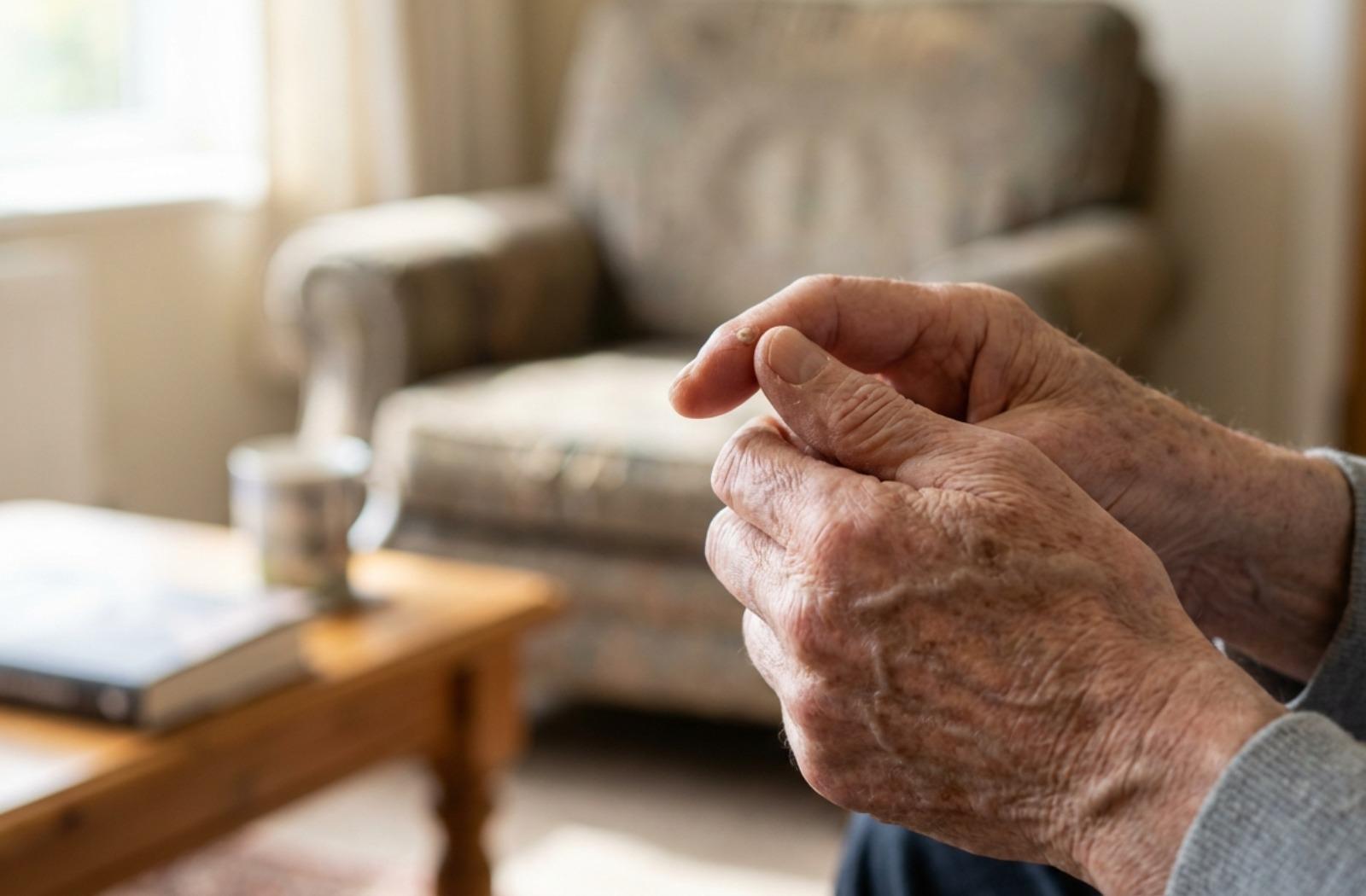
Parkinson’s often begins with subtle changes in your hands. You might notice a slight tremor in one hand when it’s resting, or your handwriting might become smaller and more cramped. Your fingers may feel stiff in the morning, making it harder to grip your coffee cup or turn door handles.
These symptoms happen because Parkinson’s affects the part of your brain that controls smooth, coordinated movements. Tasks like typing, cooking, or getting dressed can take longer and require more concentration. You might find yourself avoiding activities you once enjoyed because they feel too challenging.
Regular hand exercises work by keeping your joints moving and your muscles active. Think of it like keeping a door hinge oiled so it doesn’t get stuck. The more you move your hands and fingers, the better they tend to function throughout the day.
Simple Finger and Hand Movements You Can Do Anywhere
Finger Stretches and Bends
Start with basic finger extensions by placing your hand flat on a table and gently lifting each finger one at a time. Hold for 5 seconds, then relax. This movement helps counteract the tendency for fingers to curl inward.
Practice making loose fists by curling your fingers toward your palm, then slowly opening them back up. Repeat this 10 times with each hand. You can do these exercises while watching television or sitting in a comfortable chair.
Thumb Exercises for Better Grip
Your thumb does much of the work when you grasp objects, so keeping it flexible matters. Touch your thumb to each fingertip, one at a time, making an “O” shape. Move slowly and deliberately through each finger.
Try thumb circles by moving your thumb in small circular motions, both clockwise and counterclockwise. You can also practice pinching movements using small objects like coins or buttons to maintain your grip strength.
Hand Exercises with Everyday Items
Stress balls and therapy putty give your hands something to squeeze and manipulate. Start with softer materials and gradually work up to firmer resistance as your strength allows. Even 5–10 minutes of squeezing can help reduce stiffness.
Writing and drawing activities keep your fine motor skills active. Try writing the alphabet in large letters or drawing simple shapes. Playing cards engages your fingers in shuffling, dealing, and holding cards. Board games with small pieces also provide natural hand exercise through gameplay. Understanding Parkinson’s symptoms can help you choose activities that work with your current abilities.
Working with coins offers good finger practice. Try sorting different denominations, stacking quarters, or moving coins from one hand to another. These activities combine hand movement with mental engagement, which can be particularly helpful for cognitive health.
Creating a Hand Exercise Routine That Works for You
Aim for short exercise sessions 2–3 times throughout your day rather than one long session. Your hands might be stiffest in the morning, so gentle stretching after you wake up can help you start the day more comfortably.
Keep track of which exercises feel most helpful and when your hands feel their most flexible. Some people find afternoon exercises energizing, while others prefer evening stretches before bed. Pay attention to your comfort level and adjust the intensity based on how you’re feeling.
As your needs change over time, you can modify exercises to match your current abilities. The goal is consistent movement, not perfect execution. Even small amounts of regular activity can make a difference in how your hands feel and function.
When to Talk with Your Healthcare Team
Reach out to your doctor if you notice sudden changes in your hand function or if exercises become painful. Your healthcare team can help you adjust your routine and suggest additional strategies that might help.
Occupational therapists specialize in helping people maintain independence with daily activities. They can teach you specific techniques for tasks like dressing, eating, and writing that work better with Parkinson’s symptoms. They might also recommend adaptive tools that make daily tasks easier.
How Senior Living Communities Support Active Lifestyles
Many senior living communities offer wellness programs that include physical therapy and exercise classes designed for people with movement challenges. These programs provide professional guidance and social interaction while you work on maintaining your abilities.
Activities like craft groups, card games, and cooking classes naturally incorporate hand movements into enjoyable social experiences. When daily tasks become more challenging to manage independently, communities like Somerby Mount Pleasant provide assisted living and memory care options that allow you to maintain an active lifestyle with the right level of assistance nearby.
Contact us today to learn more about how our community works by scheduling an in-person tour.